Inspiring Older Adults to Prioritize Physical Activity Through Structured Workout Protocols
Wiki Article
Remaining physically engaged is essential for adults of all ages, but it becomes especially significant as persons grow older. For seniors, regular exercise helps sustaining autonomy, supports movement, and improves quality of life. Detailed training frameworks offer aging individuals with organized approaches to wellness that address coordination, range of motion, strength, and resilience. By following carefully planned fitness programs, elders can enhance their daily function while reducing the chances of falls, chronic diseases, and emotional difficulties.
Physical fitness for seniors is not limited to strenuous training sessions or intense fitness sessions. It focuses instead on low-impact, steady, and maintainable activity that fits individual fitness conditions. Activities such as brisk walking, flexibility drills, yoga, and strength conditioning assist retaining joint flexibility and firmness. Aerobic workouts like water fitness or stationary cycling improve heart health, which are key for supporting daily energy and vitality. These forms of activity also promote brain health, as research have demonstrated that regular exercise can enhance recall, outlook, and cognitive function.
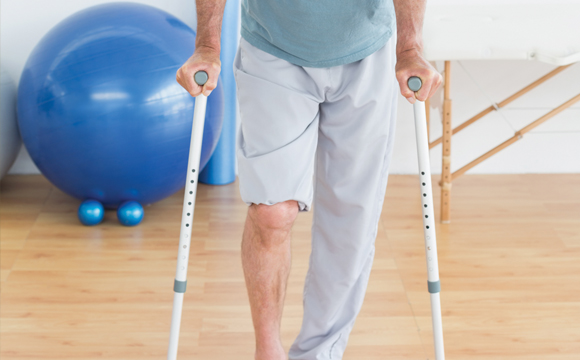
Thorough exercise guidelines highlight a integrated approach to wellness, covering muscular, emotional, and social factors of lifestyle. Seniors are advised to begin slowly and move forward at a comfortable pace, guaranteeing security while reducing strain. Adding warm-up and cool-down routines reduces strain, while visit this site appropriate hydration and nutrition support training outcomes. Additionally, social exercise settings—such as senior workout groups or fitness meetups—provide opportunities for companionship, encouragement, and well-being, which are crucial to complete fitness.
Professional guidance plays a key part in helping aging individuals design customized training schedules. Working with healthcare providers, physical therapists, or qualified instructors ensures that plans are adapted to personal requirements, endurance, and targets. These specialists can recommend safe training methods that consider elements such as mobility concerns, skeletal weakness, or cardiovascular limitations. Through consistent evaluation and adjustment, exercise plans remain effective and enjoyable, supporting sustained engagement and progress.
In conclusion, enabling older adults to adopt exercise through inclusive training online personal training recommendations creates a mindset of healthy living. When seniors are provided with information, inspiration, and guidance, they build trust in their mobility and enjoy greater independence. Consistent movement boosts not only body health but also cognitive health and psychological balance. By promoting inclusive, well-guided fitness programs, communities can enable that every senior has the chance to lead a active, vibrant, and fulfilling life.